
Homeowner blog
How to prepare your home for an inspection visit
A little access and documentation prep can make an inspection visit more efficient without trying to hide or pre-answer concerns.
Published September 24, 2026
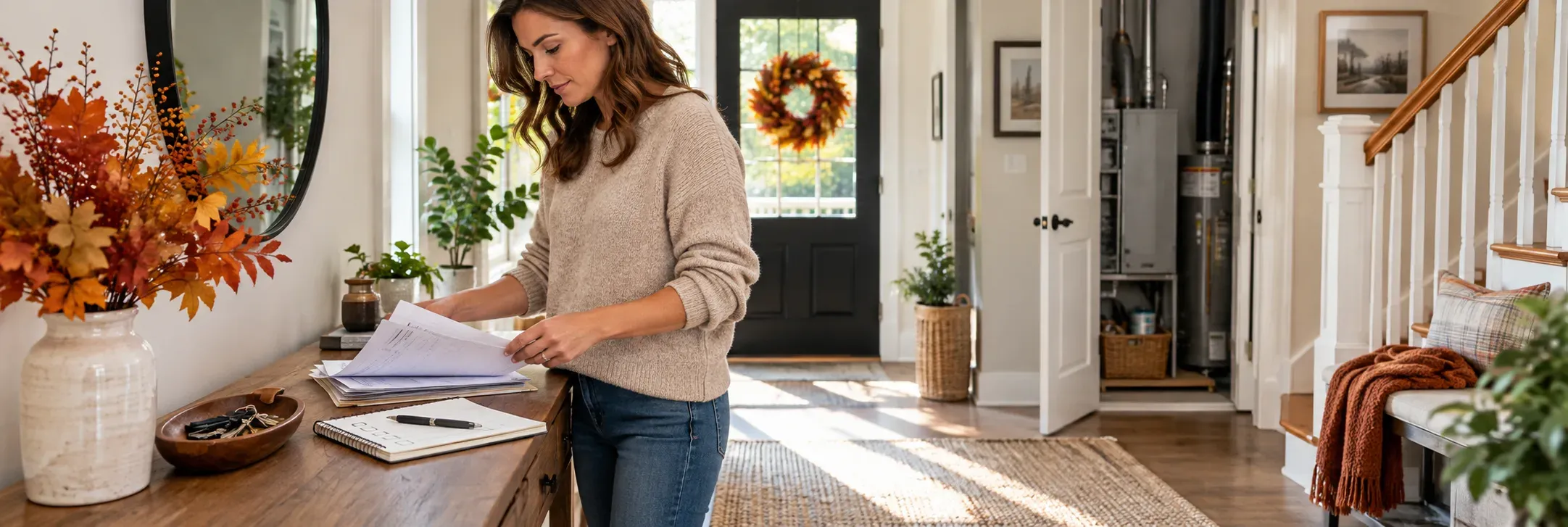
Preparation for an inspection is mostly about access, not cosmetic perfection. The inspector needs to see key systems and record what is visible. Make the visit easier without masking moisture, damage, or conditions that deserve a clear report.
Create access to the obvious areas
Move stored items away from the electrical panel, furnace or air handler, water heater, attic access, crawlspace entry, and under-sink shutoffs where practical. Unlock garages, gates, and storage areas that are part of the property. If an area cannot be accessed safely, tell the inspector rather than improvising a workaround.
Gather useful records
Keep permits, service receipts, warranties, and manuals together. These records can add context, but they do not replace inspection findings. Note recent repairs and dates plainly, especially for roofs, HVAC equipment, plumbing work, and water intrusion.
Understand the boundary
Inspectors generally perform a visual assessment, not a destructive investigation or a guarantee that every system will be trouble-free. A recommendation for a specialist is a next-step signal, not proof that a major replacement is required.
Use How to prepare for a home inspection for a fuller checklist, and read What home inspectors do not inspect before the appointment.
Sources
Keep planning
Continue with Home Inspection guides
Use these practical guides to take the next step, or browse the full topic when your question is broader.
How to prepare for a home inspection
Organize access, records, questions, and observations so a home inspection can be as useful as possible.
Home Inspection Limits: What Inspectors Do Not Check
Understand why a general home inspection has limits, which common systems may require a specialist, and how to turn an exclusion into a useful follow-up question.
More from HomeFAQ
More homeowner notes
A Less Distracted Thanksgiving Kitchen
Make a simple holiday cooking plan for interruptions, busy stovetops, guests, and a safe exit if a fire occurs.
Ice Dam Warning Signs and a Safer Response
Learn what to look for from the ground or indoors, how to respond to a leak, and what to ask a qualified professional about recurring ice dams.
Make a Safer Portable Generator Plan Before an Outage
A power outage is the wrong time to improvise generator placement. Plan for outdoor use, carbon monoxide alarms, and an emergency exit before the lights go out.