
Homeowner blog
Ice Dam Warning Signs and a Safer Response
Learn what to look for from the ground or indoors, how to respond to a leak, and what to ask a qualified professional about recurring ice dams.
Published November 8, 2026
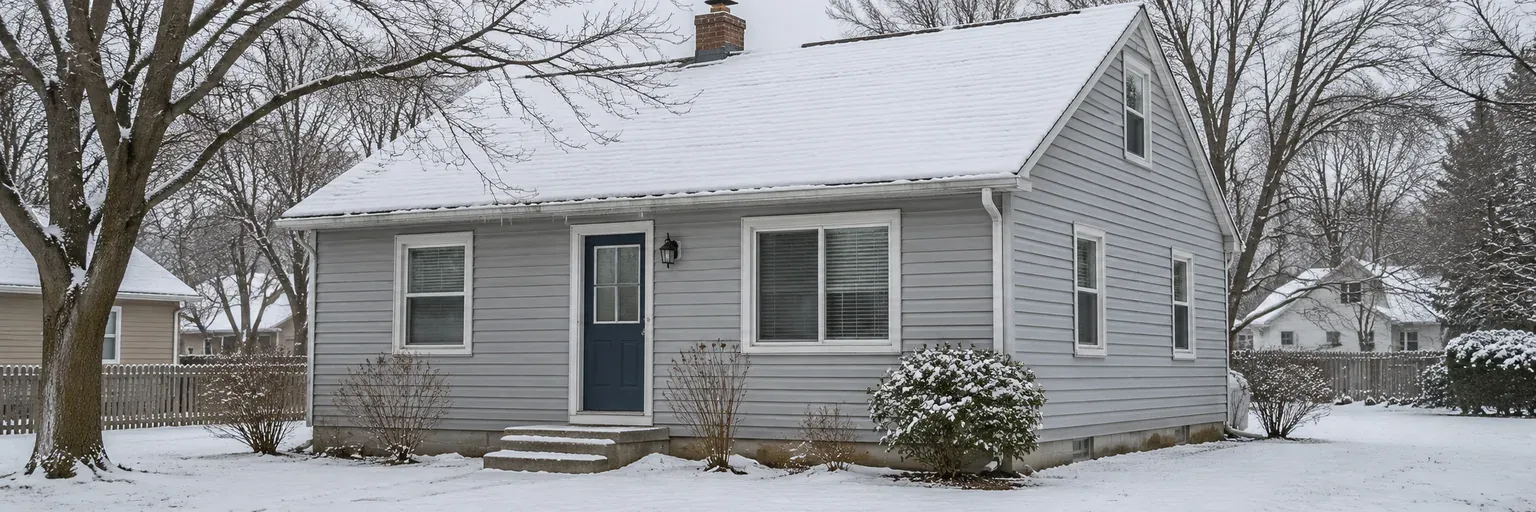
If snow is on your roof and you notice ice along the edge or a new ceiling stain, start from a safe place: keep people away from falling ice, look for water entering the home, and arrange qualified help if there is a leak or danger. Do not climb onto the roof or chip at the ice. An ice dam is a ridge of ice at the roof edge that can hold back melting snow, allowing water to enter the home. The University of Minnesota Extension explains that the water can damage ceilings, walls, and insulation. 1
Not every icicle proves you have a dam, and a stain can have another cause. Your immediate decision is whether there is an active hazard or water intrusion; identifying the exact cause can come after people and possessions are safe.
Look for changes without climbing
From a clear spot on the ground, away from the edge of the roof and overhead ice, look for a ridge of ice at the eaves—the lower edge of the roof—and note where it appears. Use a window or a photograph taken from a safe distance if that is easier. Do not stand underneath an overhang to get a closer look. Ice or snow can fall without warning.
Indoors, look for fresh discoloration, damp spots, peeling paint, or dripping near ceilings and exterior walls. Compare the location with what you can see outside, but do not assume a one-to-one match: water may travel before it becomes visible. Take dated photographs from a safe position and record when the leak appeared and whether it changes with the weather. These notes help a roofer investigate without requiring you to enter an attic or open a wall.
A large icicle or ice ridge is also a reason to protect the area below even when no leak is visible. Keep children, pets, and visitors clear; use another entrance if you can do so safely. When a normal exit is affected, contact the appropriate local emergency or property-management service for help rather than walking beneath the hazard.
If water is entering, handle the immediate risk first
Move people and belongings away from the wet area when safe. Catch drips with a container if you can place it without entering a dangerous area, and document the damage for your records. Arrange prompt help to locate the source and dry affected materials. Minnesota Extension recommends addressing the water source and drying the affected area to limit mold and mildew. 1
Water near a light fixture, outlet, electrical panel, or appliance needs particular care. Do not touch wet electrical equipment, remove a fixture, or enter standing water to reach a switch. 2 Keep people away and contact a qualified electrician; if there is immediate danger, leave and call emergency services. A roofer can assess the roof separately. If you rent or live in a shared building, notify the landlord or building manager promptly.
Do not puncture a ceiling, chip at ice, pour chemicals on the roof, or use a ladder as an improvised response. These actions can create new hazards or damage. A qualified professional can assess both immediate access and the appropriate work for the conditions.
Understand why it can happen
An ice dam can form when snow melts on a warmer part of a roof and the water refreezes at a colder edge. Heat escaping from the house, snow cover, and outdoor temperatures all play a part. Water can then collect behind the ice and find an opening into the building. Minnesota Extension notes that air leakage and heat transfer from the home can contribute to uneven roof temperatures. 1
That means removing visible ice is not necessarily the same as fixing the conditions that helped it form. A roofer can investigate the roof and the leak; a qualified building-envelope professional can assess air leaks, insulation, and ventilation for the particular home. The right scope depends on the roof and attic, and no single improvement guarantees an ice dam will never return.
Plan the next conversation
For an active leak, describe the water location, timing, and any electrical or falling-ice concern when you call. Ask how the professional will make the area safe and distinguish immediate leak management from permanent repairs. For a recurring problem without an active emergency, share photographs and ask for an inspection and a written scope that explains the suspected cause, proposed work, and any limits to the assessment.
Do not assume a new gutter or a quick surface treatment will resolve every case. Compare proposed work against the actual evidence at your home, and ask who will assess heat loss or hidden moisture if the roofer’s scope does not include it. Our roof maintenance checklist can help you organize other observations for your visit.
Questions to ask your professional
- Where is the water likely entering, and what evidence supports that conclusion?
- What immediate work can make the roof edge and wet interior area safer, and what conditions could delay it?
- Who will assess air leakage, insulation, ventilation, and any moisture damage beyond the roof repair?
Sources
Footnotes
Keep planning
Continue with Roofing guides
Use these practical guides to take the next step, or browse the full topic when your question is broader.
How to maintain your roof: a safe homeowner checklist
Use simple ground-level and indoor checks to spot roof, gutter, drainage, and attic problems before they become bigger repairs.
Roofing terms homeowners should know
A simple guide to the roofing words you may see in an estimate or hear from a roofer, without the trade-school language.
More from HomeFAQ
More homeowner notes
A Less Distracted Thanksgiving Kitchen
Make a simple holiday cooking plan for interruptions, busy stovetops, guests, and a safe exit if a fire occurs.
Make a Safer Portable Generator Plan Before an Outage
A power outage is the wrong time to improvise generator placement. Plan for outdoor use, carbon monoxide alarms, and an emergency exit before the lights go out.
A first freeze is a plumbing-plan signal, not a valve test
Before cold weather arrives, make a small plumbing plan instead of forcing old valves or guessing what your home needs.