
Homeowner guide
How to prepare for a home inspection
Organize access, records, questions, and observations so a home inspection can be as useful as possible.
Published September 28, 2026
By the HomeFAQ Editorial Team · Reviewed for accuracy.
https://homefaq.com/home-inspection/how-to-prepare-for-a-home-inspection/
Printing is unavailable. Use your browser’s Print command.
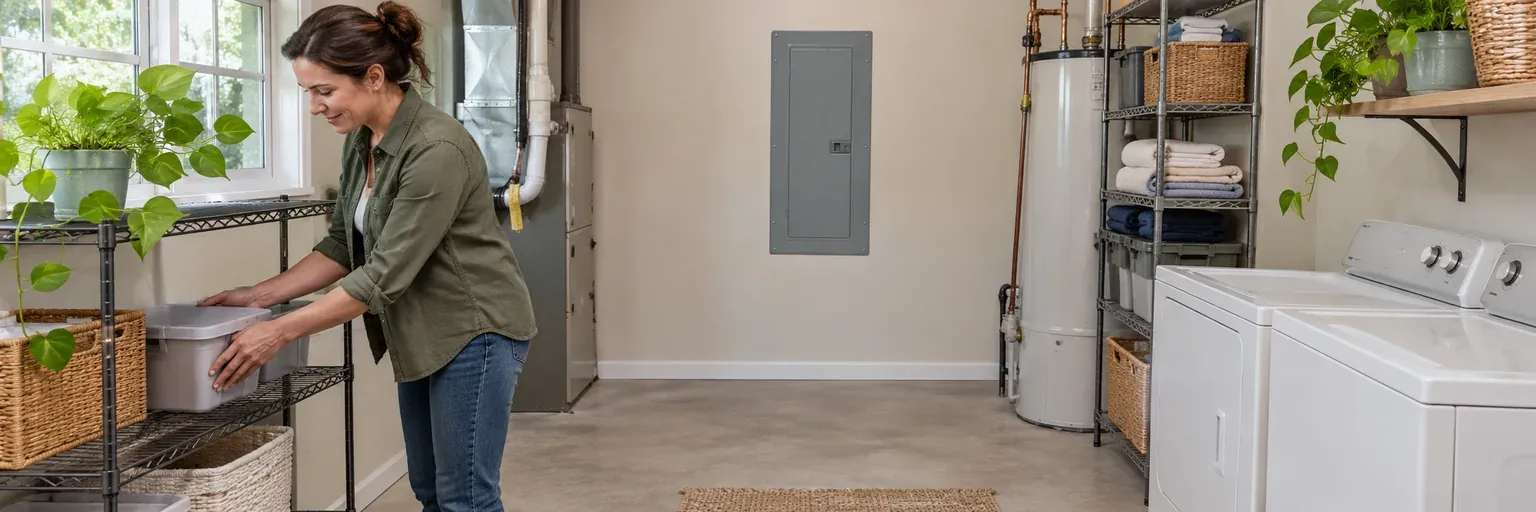
You do not need to repair, stage, or make a house look perfect before a home inspection. The useful preparation is simpler: make agreed areas safely accessible, gather records that explain the home’s history, secure pets, and write down questions. That helps the inspector complete the visual review while keeping the home’s actual condition visible. An inspection is a snapshot of accessible conditions, not a guarantee that every system will be problem-free.
1. Confirm the appointment and inspection scope
Read the agreement before the visit. It should identify the property, the inspection date, the areas included, optional tests, and the report timing. Ask the inspection company how much access it expects and whether someone should be present. A general home inspection is usually a visual assessment of readily accessible parts of the home; it is not a destructive investigation, a code inspection, or a warranty.
If an attic, crawl space, roof, outbuilding, pool, or other feature is outside the agreed scope, do not assume it will be evaluated. Ask whether a separate specialist, test, or inspection is appropriate for your situation. For example, an inspector may recommend additional review when a visible condition needs expertise beyond a general visual inspection.
2. Make ordinary access safe and practical
Clear a reasonable path to the attic entry, electrical panel, furnace or air handler, water heater, crawl-space entry, garage, and relevant rooms when it is safe to do so. Move boxes, stored items, and loose trip hazards only if you can do it without strain or risk. Unlock gates, garages, sheds, or utility rooms that are included in the agreement, and make sure an adult who can provide access will be available if needed.
Do not climb onto a roof, enter a tight crawl space, remove electrical-panel covers, disconnect appliances, or take apart equipment to prepare. Those tasks can create a safety risk or belong to the inspector or a qualified professional. If access is blocked by something unsafe, tell the inspector rather than trying to solve it just before the appointment.
3. Keep utilities and occupied areas ready
Unless the agreement says otherwise, keep normal utilities on so accessible systems can be observed in ordinary operating conditions. Do not run equipment repeatedly to hide a symptom or force a system that appears unsafe. If a pilot light is out, a breaker is off, a fixture leaks, or an appliance does not operate normally, note that condition for the inspector. Never turn on gas, electrical, plumbing, or heating equipment that you believe is unsafe; contact an appropriate qualified professional instead.
Secure pets in a comfortable, safe location and let the inspector know about them. Give occupants enough notice that bedrooms, bathrooms, and storage areas may need reasonable access. The goal is not to empty the house. It is to avoid a missed area caused by a locked door, a pet, or an avoidable obstruction.
4. Gather records without treating them as proof
Set aside repair receipts, permits, warranties, manuals, and records of major work if you have them. These records can help explain when work occurred and who performed it, but they do not replace the inspector’s observations or a specialist’s assessment. A seller can make records available without making promises about the current condition. A buyer can use them to understand history and decide what follow-up questions to ask.
Also write down recurring moisture, drainage, odors, window or door problems, unusual equipment behavior, past leaks, and recent repairs. Be factual about what you observed and when. Do not cover stains, freshen an area to disguise an odor, move unsafe materials, or alter visible conditions. Clear disclosure and practical access are more useful than trying to make a condition look better.
5. Attend with a focused question list
If you can attend, use the visit to understand the report rather than asking the inspector to predict negotiations or future repair costs. Ask which observations were accessible, which areas could not be evaluated, and what should be reviewed next. Take notes, but do not distract the inspector from the systematic walkthrough. If you cannot attend, ask how the report will identify limitations and how you can ask follow-up questions after reading it.
| Prepare | Why it helps |
|---|---|
| Access to systems | Lets the inspector complete the agreed visual review. |
| Pets and hazards secured | Protects people and avoids an interrupted inspection. |
| Repair and permit records | Gives useful history for questions and future follow-up. |
| Written concerns | Keeps recurring issues from being forgotten during the visit. |
Questions to ask your home inspector
- Which areas or systems could not be inspected because they were inaccessible, and what follow-up would you recommend?
- Which findings are observation items versus conditions that need prompt specialist review?
- How will the report describe its scope, limitations, and the next steps for any recommended specialist evaluation?
Next step
Compare the agreement, limitations, report timing, and any optional tests before booking with How to compare home inspection services.
Sources
Be ready for the conversation
3 questions to ask your home inspector or specialist
- 1What did you observe, and what is outside the scope of this inspection?
- 2Which findings are safety, active-damage, maintenance, or long-term planning items?
- 3Which findings need a specialist, and what should that assessment answer?
Keep planning
Related home inspection guides
Home inspection terms homeowners should know
Understand the plain-language inspection-report terms that help you decide what needs prompt follow-up and what needs monitoring.
How much should a home inspection cost?
Learn why home-inspection prices vary, what a base inspection may exclude, and how to compare scope before booking.
How to compare home inspection services
Compare home inspection services by the written scope, limitations, report quality, credentials, timing, and optional tests—not the base fee alone.