
Homeowner guide
Walk-in tub safety and maintenance checklist for homeowners
Use the exact manufacturer instructions for cleaning and operation, inspect the door seal and surrounding area without disassembly, and stop use when a leak, electrical concern, or damaged fixture needs qualified service.
Published October 5, 2026
By the HomeFAQ Editorial Team · Reviewed for accuracy.
https://homefaq.com/walk-in-tubs/walk-in-tub-safety-and-maintenance-checklist/
Printing is unavailable. Use your browser’s Print command.
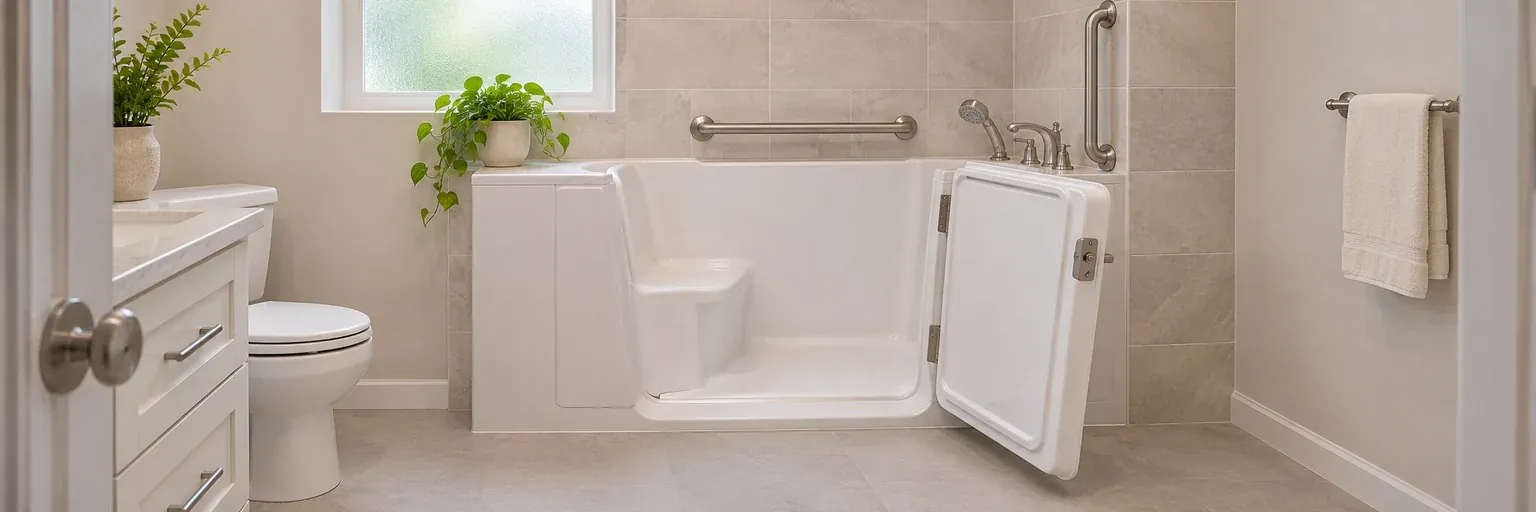
The safest maintenance plan for a walk-in tub is simple: follow the instructions for your exact model, keep the tub and surrounding floor clean and dry, and do not take apart the door, pumps, plumbing, or electrical components to solve a problem. Stop using the tub and arrange qualified service if you find an active leak, damaged electrical equipment, a loose grab bar, a cracked fixture, or a door that no longer closes and seals as the manufacturer describes.
This checklist is for a homeowner who already has a walk-in tub or is preparing to care for one after installation. A walk-in tub is not a medical device or a guarantee against falls. Its door, seat, fixtures, pump features, and controls have model-specific instructions. Keep the owner’s manual and installer contact information where the household can find them.
Before using the tub: make the routine predictable
Read the manufacturer’s instructions for entering, closing the door, filling, draining, cleaning, and any therapeutic or pump features. The sequence matters because many walk-in tubs are intended to be entered empty and opened only after they have drained. Do not improvise a different sequence based on another model’s video or brochure.
Keep the route to the tub clear, dry, and well lit. Use a bath mat or other surface only if it is compatible with the manufacturer’s directions and does not create an unstable edge. Place toiletries where they can be reached without stretching or twisting. These housekeeping steps can reduce clutter and wet-floor problems, but they do not make any layout safe for every person.
Before each use, look without disassembling anything for pooled water, a loose handle or fixture, visible cracking, a damaged cord, or an unusual odor. Confirm that the door closes as the manual describes; do not force the latch or add an unapproved lubricant or seal treatment. If your tub has temperature controls or whirlpool features, use only the controls and limits stated in the product manual.
After each use: clean what the manufacturer says to clean
Drain the tub fully according to the manual. Wipe down the door, threshold, seat, and floor surfaces with the cleaner and method the manufacturer permits. Harsh abrasives, solvents, or products not approved for the tub finish or gasket can damage surfaces or seals. Rinse and dry areas that the manual identifies, especially the door edge and gasket area, so soap film and moisture are not left to build up.
If the tub includes air, water-jets, or other pump features, follow the exact manufacturer cycle for flushing or sanitizing those parts. Do not assume a generic whirlpool-cleaning routine applies. Manufacturer manuals differ on cleaning agents, water level, run time, and whether the system should be flushed after use.
Keep the bathroom ventilated according to the fan or window arrangement already approved for the room. Persistent condensation, peeling finishes, or damp drywall near the tub is a building-maintenance concern worth documenting and discussing with a qualified professional; it is not solved by repeatedly caulking over a wet area.
Monthly and seasonal checks you can do safely
Once a month, inspect the visible door seal, latch area, fixtures, wall surfaces, flooring, and the accessible area around the tub. Look for residue, tears, gaps, staining, corrosion, loose fasteners, or water where it should not be. Compare normal operation with the instructions that came with the model. Do not remove panels, tighten concealed connections, or adjust a door hinge or latch unless the manufacturer specifically identifies that homeowner procedure.
Check that any grab bar feels secure before relying on it, but do not test it by yanking or hanging weight from it. A loose bar, damaged wall, or uncertain mounting needs qualified assessment. The U.S. Access Board’s accessibility guidance illustrates why grab-bar placement and structural support matter; it should not be treated as a substitute for evaluating an existing home or individual need.
Review the owner’s manual at least once a year for required service intervals, replacement parts, cleaning restrictions, and warranty conditions. Keep a short record of service visits, recurring leaks, and model or serial details. That record helps a qualified plumber, electrician, installer, or manufacturer-authorized technician understand the issue without guessing.
Stop use and call for help when the problem crosses a boundary
Turn off use and contact the appropriate qualified professional or manufacturer service channel for an active leak that reaches the floor or wall, a recurring door-seal leak, a crack in the tub, a loose fixture or grab bar, a drain that will not complete its normal cycle, or a control that does not behave as documented. Take photos from a dry, safe location if useful for a service call, but do not operate the tub repeatedly to reproduce a leak.
For an electrical warning—such as a damaged cord, burning smell, smoke, sparking, repeated tripping of a breaker, or a control panel exposed to water—stop using the equipment and seek qualified electrical or manufacturer service. Do not reset a breaker repeatedly, open an access panel, or work on wiring yourself. The Consumer Product Safety Commission advises that electrical problems and repeated circuit interruptions deserve prompt attention.
An urgent water leak that threatens electrical equipment, ceilings below, or a large area of the home may require emergency plumbing or building assistance. If there is an immediate danger from electricity, fire, or a fall injury, use local emergency services. This checklist cannot diagnose the cause remotely.
Keep installation details with the manual
At installation or service handoff, retain the model number, product manual, warranty contact, installer scope, and any instructions for accessing service panels. Ask who is responsible for the fixture, plumbing connections, electrical work, wall or floor repair, and future door or pump service. That clarity helps avoid calling the wrong person when a problem appears.
If you are still deciding between fixtures, use Walk-in tub vs. accessible shower to compare bathing routines, layout needs, and installation scope before ordering.
Questions to ask your walk-in-tub installer or service technician
- Which cleaning products, door-seal checks, flush cycles, and maintenance steps are approved for this exact model, and which should I avoid?
- What visible change—such as a recurring leak, latch problem, loose fixture, or electrical symptom—means I should stop using the tub and call for service?
- Who should handle future issues with the door, pump controls, plumbing connections, electrical components, grab bars, and wall or floor finishes?
Sources
- U.S. Consumer Product Safety Commission, Home Electrical Safety Checklist — consumer guidance on electrical warning signs and when to seek attention.
- U.S. Access Board, Guide to the ADA Accessibility Standards: Bathing Rooms — reference context for grab-bar and bathing-room features; it does not determine requirements for every home.
- American Standard, Walk-In Baths — example manufacturer documentation source; use the manual for the installed model.
Be ready for the conversation
3 questions to ask your walk-in tub professional
- 1Which mobility, bathing, space, plumbing, electrical, structural, and drainage requirements did you verify for this recommendation?
- 2Which removal, installation, waterproofing, finish, permit, cleanup, and warranty tasks are included or excluded?
- 3If the site visit finds a condition that affects safe installation, how will you document options and obtain approval before work changes?
Keep planning
Related walk in tubs guides
Walk-in tub vs. accessible shower: which bathing layout fits your home?
Choose a walk-in tub when seated soaking and a watertight door fit your bathing routine; compare an accessible shower when step-free entry, transfer space, or a faster shower routine matters more.
How much should a walk-in tub cost?
A scope-first U.S. guide to walk-in-tub product and installation planning, so homeowners can compare written proposals without mistaking an advertised tub price for a complete bathroom project.
How to compare walk-in tub installation estimates
Compare walk-in-tub proposals by matching the exact model, site work, responsibilities, exclusions, and change process—not by comparing a headline price.