
Homeowner guide
Pool and Hot-Tub Safety Checklist
Use this household pool and hot-tub safety checklist to check barriers, drain covers, chemical storage, and electrical warning signs before routine use.
Published October 5, 2026
By the HomeFAQ Editorial Team · Reviewed for accuracy.
https://homefaq.com/pool-spa/pool-and-hot-tub-safety-checklist/
Printing is unavailable. Use your browser’s Print command.
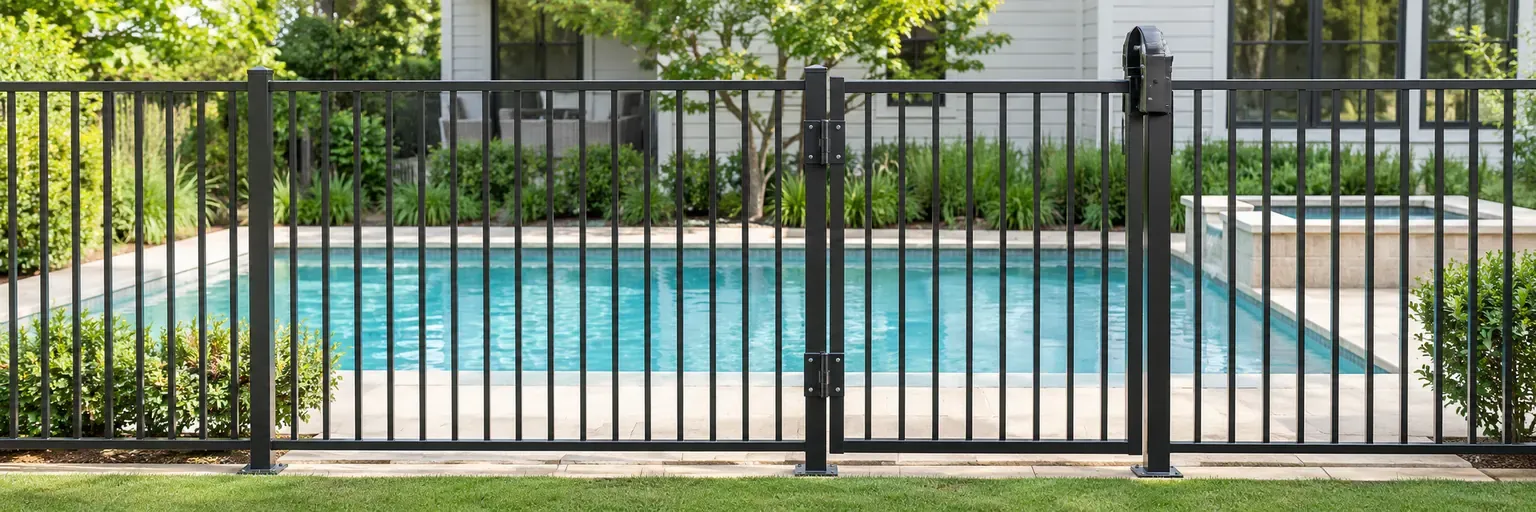
The safest pool or hot tub routine is to prevent access without supervision, keep safety equipment intact, store chemicals as their labels require, and stop using the water when something looks unsafe. Check barriers and drain covers before use, keep children within close, capable adult supervision, and leave the water immediately for any electrical warning sign. A clear pool, working pump, or locked gate does not prove every safety condition is met. If there is an immediate danger, suspected entrapment, electrical shock, fire, or medical emergency, move people away from the area and call 911 or local emergency services rather than trying to diagnose the problem.
This checklist is for routine household observation. It is not a substitute for a local inspection, equipment manual, chemical label, emergency plan, or the rules that apply where you live.
Start with access and active supervision
Before anyone uses the water, walk the perimeter from a dry, stable surface. Confirm that fences, gates, latches, and covers are in their intended position and that toys, chairs, tables, or other climbable items are not giving a child easier access to the water. The U.S. Consumer Product Safety Commission recommends layers of protection, including barriers and supervision; no single layer replaces another.
Decide who is actively watching before swimming or soaking begins. Active supervision means a capable adult is close enough to respond, not relying on a phone, a conversation, or a view from indoors. For a portable spa, secure the cover after use and keep the area around the cabinet clear. A cover can reduce access when it is used correctly, but it is not a substitute for supervision or a required barrier.
Keep a phone and appropriate rescue equipment accessible without blocking a walkway. Do not enter during a thunderstorm. Do not use the pool or hot tub if anyone has consumed alcohol or another substance that could reduce alertness, balance, or supervision ability.
Treat a drain-cover problem as a stop-use condition
A suction outlet is an opening that draws water into the circulation system. Its drain cover helps reduce the risk that hair, clothing, or a body part could be trapped by suction. Do not remove, sit on, modify, or test a drain cover. From outside the water, look for a cover that is missing, broken, loose, cracked, or visibly not secured.
Keep everyone out of the water if a cover is damaged or missing, and arrange qualified pool service. The CPSC identifies missing, broken, or improperly installed drain covers as a serious entrapment hazard. Do not try to substitute a homemade cover, reach into an outlet, or run the circulation system to see whether it is still safe.
Handle and store chemicals exactly as directed
Read the product label and the equipment manual before adding or storing any pool or spa chemical. Keep products in their original containers, closed when not in use, and away from children, heat, and moisture. Store incompatible products separately when the labels require it, and do not reuse empty chemical containers for another product.
Never mix chemicals, add water to a chemical, or transfer products into unlabeled containers. The Centers for Disease Control and Prevention warns that mixing pool chemicals can release dangerous gases or start a fire. Use only the protective equipment and measurement method specified by the label. If a product spills, fumes, leaks, or reacts unexpectedly, keep people away and follow the label and local emergency guidance instead of attempting an improvised cleanup.
Cloudy water, an unusual odor, or a test result outside the system’s specified range is a reason to pause use and follow the manufacturer-directed test and treatment process. Do not add extra product based on appearance or odor alone.
Leave the water for electrical warning signs
Electricity can travel through water and surrounding wet surfaces. Leave the water immediately if anyone feels tingling, a shock, or an unusual sensation. Keep others away, do not touch electrical equipment or metal components, and call emergency services when someone may be injured. For non-emergency warning signs, stop using the water and arrange evaluation by a qualified pool professional or licensed electrician as appropriate.
Warning signs include damaged cords or equipment, exposed wiring, a broken underwater light, repeated breaker trips, a burning smell, a warm electrical enclosure, or water collecting near electrical equipment. Do not reset a breaker repeatedly, open an electrical panel, remove a light, or attempt wiring work yourself. The Electrical Safety Foundation International advises people to leave the water immediately if they feel tingling.
Record what you observe and prepare a clear handoff
Make a dated note of the condition, location, equipment model, warning lights, recent weather, and what was happening when you noticed it. Take photographs only from a safe location. Keep the product label, maintenance record, and prior repair invoices for the professional. This helps distinguish an observed condition from an assumption about the cause.
For routine care after safety concerns are addressed, use the pool and hot-tub maintenance checklist. If a repair decision is being considered, compare the diagnosis and written scope with our pool repair, resurface, or replace guide before accepting a larger project.
Questions to ask your pool professional
- Are the barriers, gates, drain covers, and circulation equipment appropriate for this pool or spa, and which items need correction before use?
- Which warning signs point to a pool-equipment issue, and when should a licensed electrician inspect the system instead?
- Which chemical-storage, circulation, or safety checks should be included in my routine schedule, and which tasks should remain professional-only?
Sources
- U.S. Consumer Product Safety Commission, Pool Safely — barriers, supervision, and drain-entrapment safety resources.
- Centers for Disease Control and Prevention, Pool Chemical Safety — chemical storage, handling, and mixing hazards.
- Electrical Safety Foundation International, Water and Electricity Don’t Mix — leave-the-water guidance for tingling and electrical hazards.
- Centers for Disease Control and Prevention, Healthy Swimming — household swimming and hot-tub health and safety context.
Be ready for the conversation
3 questions to ask your pool or spa professional
- 1Which site, delivery, base, drainage, electrical, barrier, permit, and startup assumptions are included?
- 2Which equipment, water-care, inspection, cleanup, restoration, and warranty responsibilities are included or excluded?
- 3If access, excavation, or testing reveals another condition, how will you document options and obtain approval before work changes?
Keep planning
Related pool spa guides
Pool and hot-tub maintenance checklist: safe routine care
Use this beginner checklist to keep routine pool or portable-spa care organized, spot warning signs, and know when to call qualified help.
Should I repair, resurface, or replace my pool?
Use a documented inspection, the type of problem, and the scope of needed work to decide whether pool repair, rehabilitation, or replacement deserves a written comparison.
How much should a pool or hot tub cost?
Use current planning ranges and a written-scope checklist to budget for an above-ground pool, an in-ground pool, or a portable hot tub without mistaking an estimate for a quote.