
Homeowner guide
How to winterize a sprinkler system safely
Use a simple seasonal checklist to prepare an irrigation system for freezing weather, while leaving backflow devices, compressed-air blowouts, and unfamiliar plumbing to qualified professionals.
Published October 4, 2026
By the HomeFAQ Editorial Team · Reviewed for accuracy.
https://homefaq.com/irrigation-lawn-care/how-to-winterize-a-sprinkler-system/
Printing is unavailable. Use your browser’s Print command.
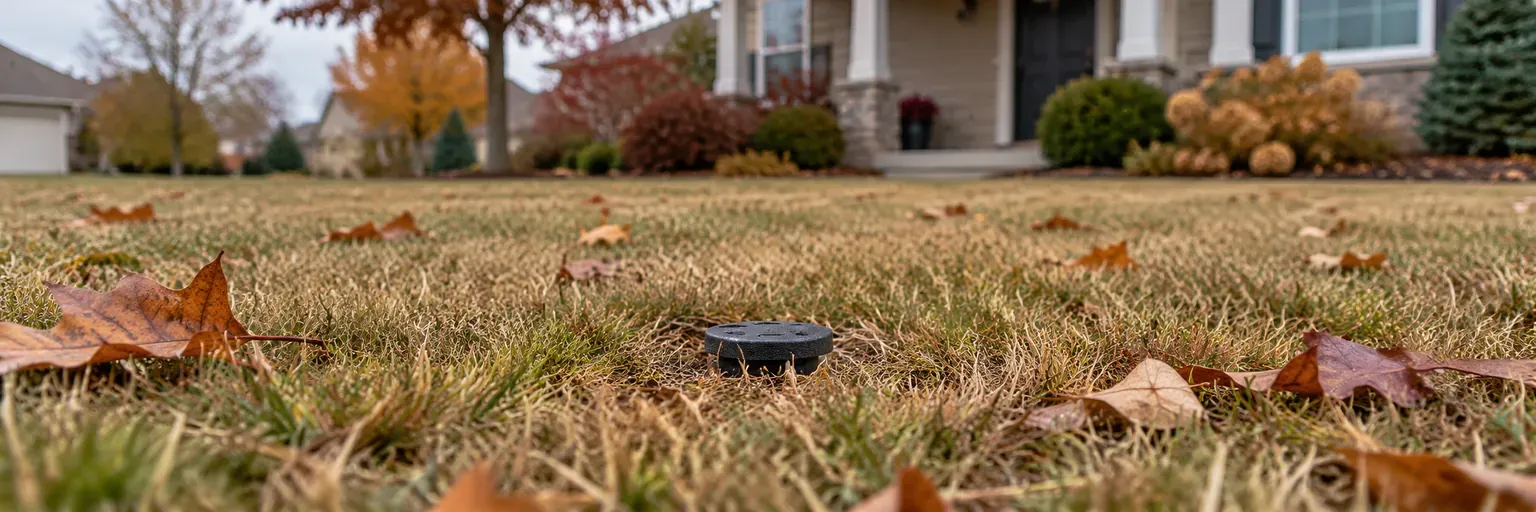
How to winterize a sprinkler system safely
If your area has freezing weather, arrange sprinkler-system winterization before temperatures can freeze water left in exposed irrigation parts. Start with the system’s manual controls and the written instructions you already have: stop routine watering, note visible leaks or damaged heads, and contact a qualified irrigation professional or local water provider for the shutdown method your system needs. Do not use compressed air, alter a backflow preventer, open unfamiliar valves, or work on irrigation wiring unless you are trained and authorized to do so. A safe winterization protects the system without turning a homeowner checklist into plumbing or pressure-work instructions.
The timing is local. In a climate with regular freezes, service is commonly scheduled in fall; in a mild climate, a full shutdown may not be needed. Check your local forecast, utility guidance, and installer instructions instead of using a calendar date from another region.
Know what winterization is—and what it is not
Winterization means preparing irrigation equipment so trapped water is less likely to freeze and damage pipes, valves, sprinkler heads, or other components. It is not simply turning off the controller. A controller is the timer that tells zones when to water; the physical water supply and any local backflow requirements still need the correct handling for your system.
A backflow preventer is a device intended to keep irrigation water from flowing back toward drinking water. The U.S. Environmental Protection Agency explains that cross-connection control protects public water systems, while local water suppliers and plumbing authorities determine the applicable device, testing, and shutdown requirements. Do not remove, adjust, bypass, or try to drain a protected assembly based on a generic video or a neighbor’s setup.
Likewise, a compressed-air blowout is not a universal DIY step. It can involve pressurized air, installed components with different limits, and a sequence specific to the system. Ask a qualified irrigation professional whether your system needs that service and have them explain what they will inspect, shut down, and document.
A safe homeowner checklist before the first freeze
Use this checklist for observations and preparation only. It helps a service professional work from a clear record and can reveal obvious issues that deserve attention before winter.
- Find your system information. Locate your installer paperwork, controller manual, warranty information, and any local utility or backflow-test notices. Write down the system’s age if you know it and the phone number of the installer or irrigation company. Do not disassemble equipment to identify it.
- Stop the watering schedule when seasonal watering is no longer appropriate. Use the controller’s normal seasonal adjustment or off setting if you understand that control. This stops scheduled watering; it does not prove the water supply has been safely shut down. If the controller is unfamiliar or displays an error, leave it alone and note the issue.
- Walk the yard in daylight and from stable ground. Look for broken or leaning heads, obvious wet spots, pooling, runoff onto a sidewalk, exposed tubing, or a valve-box lid that is damaged or missing. Take photos and note the zone location if it is labeled. Do not reach into a valve box, dig near irrigation lines, or touch wet electrical equipment.
- Clear only simple surface obstructions. Remove leaves or loose debris that cover visible sprinkler heads or prevent a valve-box lid from closing, if you can do so without tools or digging. Keep lids in place. Do not force a lid, pry open equipment, or cut roots near buried lines.
- Protect access for service. Move portable furniture, hoses, toys, and loose planters away from visible heads, the controller, and accessible equipment. Tell the professional about gates, pets, slopes, recent landscaping, or areas that must not be crossed.
- Schedule qualified shutdown service when local conditions call for it. Tell the provider whether you have a well, a municipal-water connection, drip irrigation, a rain sensor, a visible backflow device, or recent repair symptoms. Ask them to follow local water-provider requirements and the equipment manufacturer’s instructions.
When to stop and call sooner
Do not wait for routine winterization if you see water spraying from a broken component, water flowing toward the home, persistent pooling near a foundation, or a leak near electrical equipment. Keep people away from the hazard, avoid electrical contact, and call the appropriate qualified professional. If you believe irrigation water may be connected to or affecting drinking-water equipment, contact your local water provider or plumbing authority for guidance.
An irrigation professional can address irrigation components; a plumber or electrician may be needed when the issue involves a drinking-water connection, protected backflow assembly, or electrical supply. The right trade depends on what is observed and on local rules, so describe the symptom rather than trying to diagnose it yourself.
What to ask for in the service record
After a professional winterizes the system, keep a short record of the date, company, areas serviced, visible repairs recommended, and any equipment or local-program requirement they identified. Ask whether a spring startup, backflow testing, or controller adjustment should be scheduled separately. This record makes future proposals easier to compare and helps you avoid assuming that a prior seasonal visit covered every component.
If you are planning a larger repair or new installation, read how much sprinkler installation should cost. It explains why written scope matters more than a generic national price for irrigation work.
Questions to ask your irrigation professional
- Which parts of my system need a seasonal shutdown in this climate, and which parts should you leave untouched?
- Does my visible backflow assembly have a local testing, protection, or winterization requirement that I need to schedule separately?
- What did you find during shutdown that could affect spring startup, drainage, or a future repair scope?
Sources
- U.S. Environmental Protection Agency: Cross-Connection Control Manual — drinking-water cross-connection and backflow context.
- U.S. Environmental Protection Agency WaterSense: Irrigation Controllers — controller and seasonal scheduling context.
Be ready for the conversation
3 questions to ask your irrigation professional
- 1What visible conditions and site information do you need before you can design a safe irrigation scope?
- 2Which water, backflow, electrical, landscape, and drainage tasks are within your scope?
- 3Which local requirements or site conditions need confirmation before the work is finalized?
Keep planning
Related irrigation lawn care guides
How much should sprinkler installation cost?
Compare sprinkler-installation proposals by scope when a national price range would hide important site, water, and local requirements.
How to compare sprinkler installation estimates
Compare irrigation proposals by design, water connection, restoration, and seasonal service—not just the total price.
Irrigation and lawn care terms homeowners should know
Decode irrigation words that appear in a sprinkler estimate, seasonal service record, or lawn-care conversation before you approve work.