
Homeowner guide
When to stop using a fireplace and call a professional
Know which fireplace and chimney changes mean stop using the system, when to call emergency services, and what to document safely for a qualified inspection.
Published October 2, 2026
By the HomeFAQ Editorial Team · Reviewed for accuracy.
https://homefaq.com/chimney-fireplace/when-to-stop-using-a-fireplace-and-call-a-professional/
Printing is unavailable. Use your browser’s Print command.
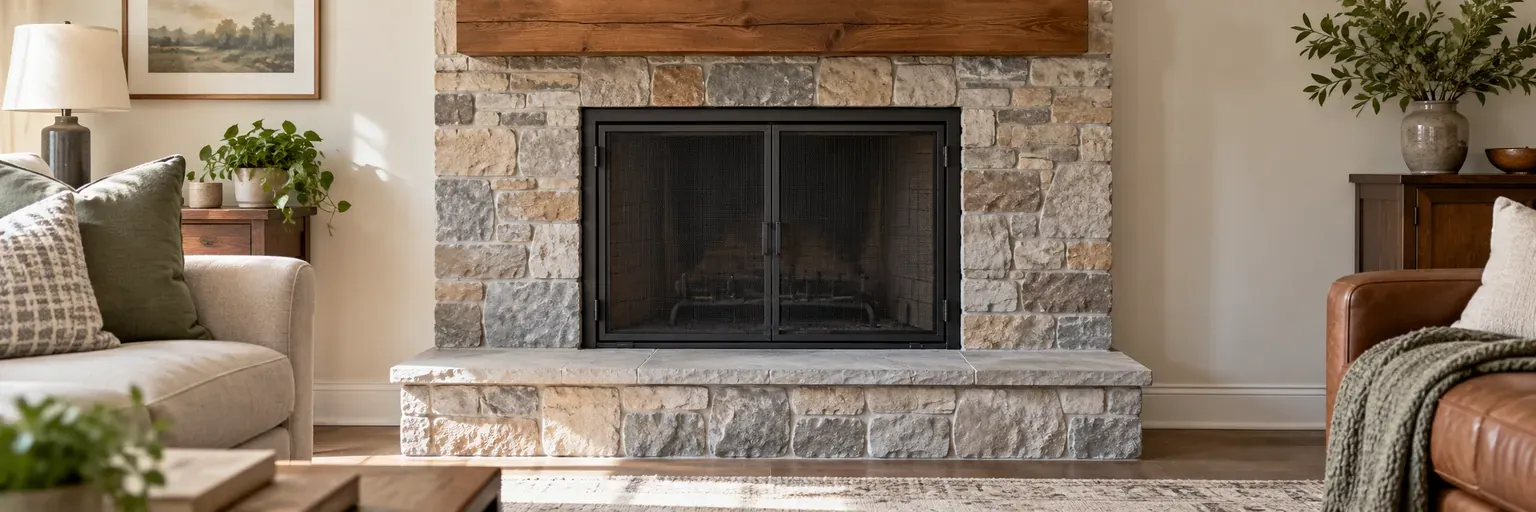
Stop using a fireplace, wood stove, insert, or other fuel-burning appliance when smoke enters the room, you suspect a chimney fire, you smell fuel gas, or you notice a new condition that could affect the chimney, vent, firebox, or appliance. An active fire, immediate danger, or a gas odor calls for emergency action—not a repair appointment. For other changes, leave the system off and arrange a qualified chimney or appliance assessment before using it again. Do not light another fire to “see if it clears,” climb onto the roof, reach into a flue, or try to patch or clean an unknown problem yourself.
If you think there is a fire or anyone may be in danger, move to safety and call 911 or your local emergency number. If you smell natural gas or propane, leave the area without operating electrical switches, appliances, or flames, then follow your gas utility’s emergency instructions from a safe location. For a non-emergency condition, a qualified professional can determine the appropriate inspection scope; a ground-level observation cannot confirm that a chimney, liner, vent, or fireplace is safe.
Treat these as stop-use signals
A change does not tell a homeowner what has failed, but it can be a good reason not to operate the system. The National Fire Protection Association recommends that chimneys, fireplaces, and vents be inspected at least annually and cleaned or repaired as needed. The Chimney Safety Institute of America explains that the needed inspection level depends on the situation, including damage, changes to the system, and what areas need evaluation.
| What you notice | Safe next step |
|---|---|
| Smoke enters the living space, flames or heat appear where they should not, or you suspect a chimney fire | Stop using the appliance. If there is an active fire or immediate danger, get out and call emergency services. Do not re-use the system until an appropriate qualified assessment says it is ready. |
| A fuel-gas odor near a gas fireplace or appliance | Do not operate switches, use a phone in the immediate area, light a match, or try the appliance again. Leave and follow the local gas utility’s emergency instructions; call emergency services when appropriate. |
| New water staining, loose material, a visibly damaged cap or masonry, a new odor, or a change in operation | Do not use the system until a qualified professional explains whether it can be used safely. Take notes or photos only from a stable, safe location. |
| A new appliance, fuel change, suspected damaging event, or long period without use | Schedule an inspection before returning the system to service. Tell the professional what changed and provide prior records if available. |
| An annual inspection is due or you do not know the system history | Arrange an inspection and ask what areas and limits the visit covers. Do not assume an accessible visual check answers every question. |
This table is not a remote diagnosis or a substitute for local emergency instructions. A smoke problem can have different causes, and a chimney that looks intact from the ground can still need evaluation. The U.S. Consumer Product Safety Commission advises proper installation, operation, and maintenance of wood-burning appliances and chimneys to reduce fire and carbon-monoxide hazards.
Keep homeowner action low-risk
From the floor or ground, make a short record of the date, appliance type, fuel, last use, where smoke or odor was noticed, weather or water exposure, and prior inspection or repair. Take photographs only if you can do so without climbing, leaning into the firebox, opening a flue, or moving damaged material. Keep children, pets, fuel, decorations, and other combustibles away from the appliance as its manufacturer’s instructions require.
Do not test draft by lighting paper or a fire. Do not remove a liner, probe a blockage, scrape deposits, repair a damper, change venting, seal cracked masonry, or attempt a roof-level repair. Those actions can hide evidence, create a hazard, or make it harder for a professional to assess the system. For gas equipment, use the manufacturer’s manual for normal user controls only; a smell of gas is an emergency-boundary issue, not a troubleshooting task.
Working smoke alarms and carbon monoxide alarms are an important layer of home safety, but an alarm is not an inspection result. The U.S. Fire Administration recommends testing smoke alarms monthly and following the manufacturer’s replacement guidance. Use the test button rather than a fireplace fire to test an alarm.
Prepare for a useful professional visit
Give the professional the appliance manual, prior inspection or cleaning reports, repair invoices, and your symptom timeline. Ask what they can inspect, what they cannot access, and whether cleaning, camera work, testing, or appliance service is included or separate. If there was a suspected chimney fire, gas odor, smoke entry, water exposure, or a change in appliance or fuel, state that before scheduling so the professional can decide what evaluation is appropriate.
When you receive a proposal, compare written findings, inspection limits, scope, access, testing, and closeout documentation—not only the total. HomeFAQ’s guide to comparing chimney inspection and repair estimates provides a practical worksheet. For routine seasonal preparation after the system is cleared for use, see how to prepare your fireplace and chimney for the heating season. You can find related planning guides on the Chimney and Fireplace hub.
Questions to ask your chimney professional
- Based on the event or symptom I described, what inspection level and accessible areas are needed before you can advise whether the system can be used again?
- What did you observe, what could not be inspected or tested, and what should remain off-limits until any follow-up work is complete?
- Which cleaning, camera work, appliance checks, repairs, permits or local review, and written closeout items are included, separate, or excluded from this visit?
Sources
- National Fire Protection Association, Chimneys and Fireplaces — annual inspection and safe-use guidance.
- Chimney Safety Institute of America, Chimney Inspections — inspection-level context and scope distinctions.
- U.S. Consumer Product Safety Commission, Woodstove Safety — consumer safety context for solid-fuel appliances and chimneys.
- U.S. Fire Administration, Smoke Alarms — alarm testing and replacement guidance.
- American Gas Association, Natural Gas Safety — gas-odor precautions; follow local utility instructions.
Be ready for the conversation
3 questions to ask your chimney and fireplace professional
- 1What appliance, venting, or chimney condition did you observe, and what inspection method supports that conclusion?
- 2Which accessible areas, cleaning, camera work, testing, photos, and written findings are included or excluded?
- 3What condition would mean I should keep the appliance out of use, and how will added work require approval?
Keep planning
Related chimney fireplace guides
How to compare chimney inspection and repair estimates
A homeowner worksheet for comparing chimney inspection and repair proposals by findings, scope, access, testing, changes, and closeout—not just the total price.
Prepare your fireplace and chimney for heating season
Use a low-risk seasonal checklist to prepare a fireplace or wood-burning appliance, document concerns, and know when a qualified inspection is the next step.
Chimney and fireplace terms homeowners should know
Plain-English chimney and fireplace terms to help you read an inspection report or repair proposal and ask clearer questions about scope.