
Homeowner guide
Should I repair or replace my roof?
Use the age, location, and repeat history of roof damage to decide whether to ask for a repair or a full roof replacement estimate.
Published September 30, 2026
By the HomeFAQ Editorial Team · Reviewed for accuracy.
https://homefaq.com/roofing/roof-repair-or-replacement/
Printing is unavailable. Use your browser’s Print command.
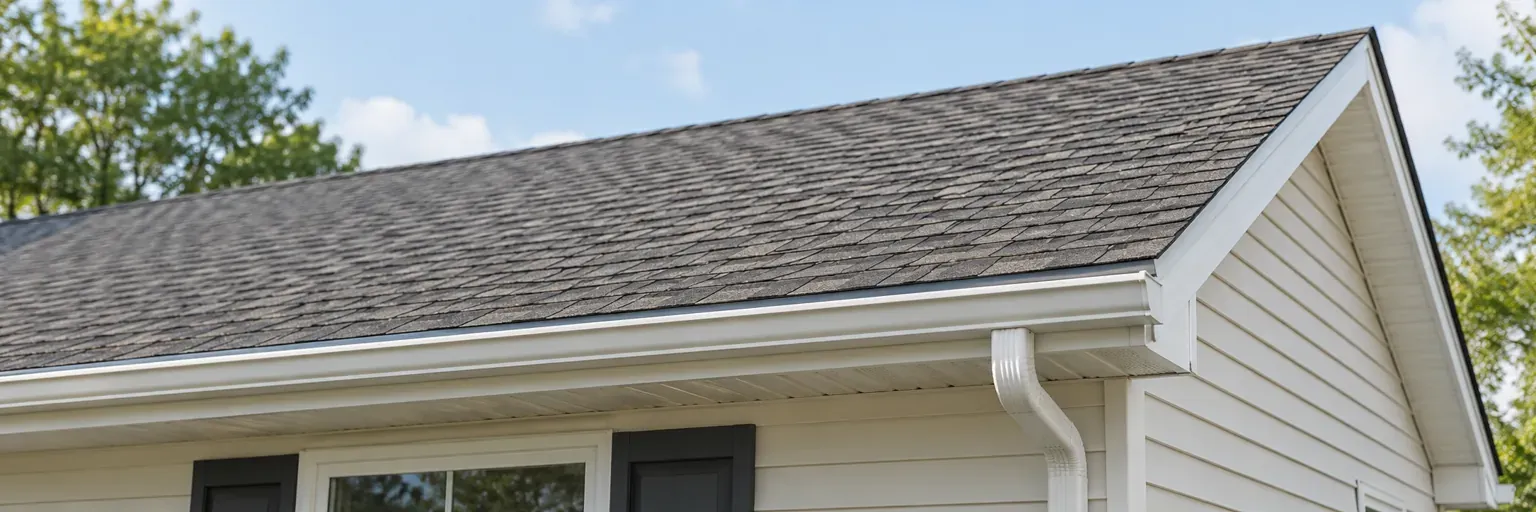
A roof repair is usually the better first conversation when a roofer can show that a recent problem is limited to one small area and the surrounding roof is sound. A full roof replacement is worth evaluating when leaks keep returning, wear or damage shows up in multiple areas, or the repair could only buy time without addressing the rest of the roof. You cannot settle the choice from age or photos alone: ask for a qualified roofer to explain what they observed and what would make one path more sensible for your home.
Use a simple decision path
Start by asking for the roof’s condition in plain English. A limited repair may fit if the issue comes from a single damaged shingle, a loose or damaged flashing detail, or one confined leak and the roofer finds the rest of the roof in good condition. Flashing is the material that directs water away from joints around features such as chimneys, vents, and skylights.
Ask for a replacement evaluation if the same problem has returned, an inspection finds wear or damage in several areas, or a repair would leave you with a patched area and no clear plan for the rest of the roof. A full replacement can allow the roofer to evaluate the water-shedding layers as a system, but it is more disruptive and should be chosen by a written scope, not a quick good-better judgment.
When neither shortcut is a fit
Do not treat a single sign, such as a stain or a missing shingle, as an automatic order to replace the roof. Stains can reflect an old problem, and the source of water may be around a penetration, a wall, or another component. Likewise, a temporary patch does not prove that a whole roof must be replaced. Asking a roofer to identify the water path and show you the condition helps you avoid paying for the wrong scope.
Never walk on the roof to try to settle the decision. From the ground, you can note missing or damaged shingles, damaged flashing, or debris in gutters. Inside, note ceiling stains, moisture, or water near vents and chimneys. Active water entry, a sagging area, or visible storm damage needs prompt professional evaluation and safe temporary protection when appropriate.
Gather a scope before you compare prices
Before agreeing to a repair or replacement, gather the information that will make the decision checkable:
- photos of the area from the ground and any interior signs of water;
- where and when the problem appeared, and whether it has returned;
- the roofer’s written findings, including the proposed repair area or the reason for replacement;
- the materials, flashing, underlayment, water-shedding details, and cleanup that the scope includes; and
- how hidden wood damage, permits, final inspections, and warranty paperwork will be handled.
A smaller repair proposal should say exactly what will be fixed and what it will not address. A replacement proposal should name the roofing system, removal assumptions, and what happens if the roofer finds damaged decking. Use the roof-estimate checklist to make sure two proposals are describing the same job.
Plan the next conversation
For a replacement discussion, the roof replacement cost guide and roof replacement estimator can help you prepare questions and a planning budget. Neither one is a quote or a roof inspection. If the problem looks limited, ask the roofer to explain the boundary of the repair and what sign would change the decision.
If storm damage may involve insurance, keep photos and copies of proposals and review your policy’s process before authorizing work beyond immediate protection.
Questions to ask your roofer
- What evidence shows this problem is limited enough for a repair, or widespread enough to justify a replacement evaluation?
- If I choose a repair now, what remaining roof condition should I monitor and what would change the recommendation?
- Which materials, flashing details, hidden-condition allowances, and warranty terms differ between the repair and replacement scopes?
Sources
Be ready for the conversation
3 questions to ask your roofer
- 1Can this problem be repaired, or do I need a new roof? Please explain why.
- 2How long should the repair last, and will it match the rest of my roof?
- 3Do you offer a warranty on the repair work you do?
Keep planning
Related roofing guides
How much should a roof replacement cost?
A U.S. planning guide to roof replacement cost, what a price should include, and the basic questions to ask before choosing a roofer.
How to compare roof replacement estimates
Compare roofing proposals by the full scope of work, material details, repair assumptions, warranties, and project responsibilities—not only the total price.
Roofing materials: how to compare your options
Compare roofing materials through roof design, climate exposure, maintenance, appearance, weight, budget, and installation requirements.