
Homeowner guide
How to unclog a toilet safely
Use a calm first-response sequence for a toilet clog, protect against an overflow, and know when the problem needs a plumber.
Published October 22, 2026
By the HomeFAQ Editorial Team · Reviewed for accuracy.
https://homefaq.com/plumbing/unclog-a-toilet-safely/
Printing is unavailable. Use your browser’s Print command.
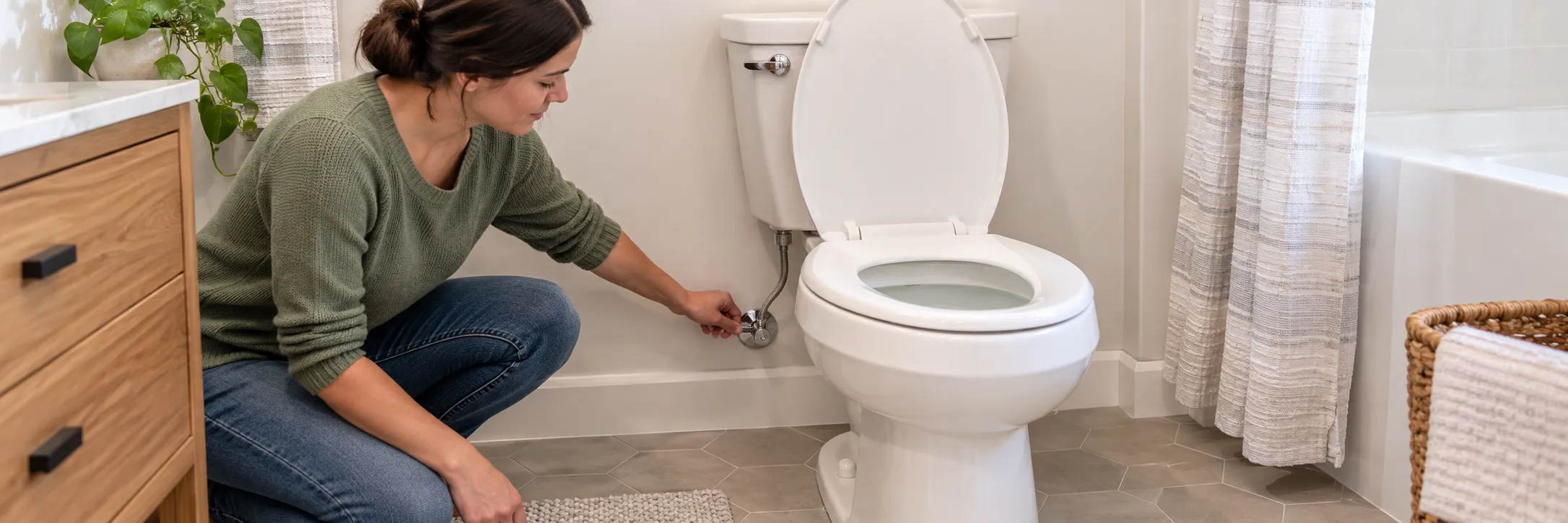
When a toilet is clogged, the safest first decision is to prevent an overflow before trying to clear it. Stop flushing, keep children and pets away, and close the nearby shutoff valve only if it is accessible and turns normally by hand. A flange plunger may clear a simple clog when the bowl is not overflowing and there is no sewage backup elsewhere. Call a plumber instead for repeated clogs, sewage, water on the floor, a clogged toilet plus other slow drains, or any condition that does not respond to a careful first attempt.
Stop the water before it reaches the floor
If the water level is rising, remove the tank lid carefully and lift the flapper only if you can do so without reaching into unsafe water or damaging parts; then close the local shutoff valve if it is readily accessible. Do not keep flushing to see whether it improves. Put towels around a small splash area only when you can do so safely, and keep water away from electrical outlets or equipment. A toilet overflow can create a sanitation and slip hazard, so treat water beyond the fixture as a reason to stop DIY work.
Do not pour chemical drain cleaner into a toilet. These products can splash, damage components, and make a later plumbing visit more hazardous. Do not use a coat hanger, a power tool, or an unfamiliar drain machine.
Try one careful plunger sequence
Use a clean flange plunger designed for toilets, not a flat sink plunger. Put on gloves, ensure the plunger cup is covered by water, and place the flange in the outlet so it seals. Start with slow pushes to remove air from the cup, then use several controlled strokes while keeping the seal. Lift the plunger slowly and wait before testing.
If the water drains, flush once only after the bowl has returned to a normal level. Stop immediately if it rises again. Clean and disinfect the plunger and nearby hard surfaces according to product directions, then wash hands. A cleared bowl does not explain why the clog happened, so note whether it was a one-time event or part of a repeated pattern.
Know when to call a plumber
Arrange prompt plumbing help when the toilet repeatedly clogs, backs up after one careful attempt, has sewage or an unusual odor, leaks at the base, or coincides with slow drains, gurgling, or backups elsewhere. Those signs can involve a larger drain problem that a plunger cannot safely identify. Avoid using the toilet until a qualified professional advises that it is appropriate.
Before the appointment, record the date, fixtures affected, what was flushed, whether the problem follows another fixture’s use, and what happened after the plunger attempt. Use drain clog questions to ask to prepare, then compare any repair scope with this plumbing estimate guide.
Questions to ask your plumber
- Does the repeated clog appear limited to this toilet, or does it need a broader drain evaluation?
- What clearing, inspection, and testing will you perform before recommending a repair?
- Which symptoms would mean I should stop using this bathroom while waiting for follow-up work?
Sources
- U.S. Consumer Product Safety Commission, CPSC Warns Consumers About Chemical Drain Cleaners
- EPA, Basic Information about Wastewater
Be ready for the conversation
3 questions to ask your plumber
- 1What is the likely source of the problem, and what evidence supports that?
- 2Does this scope solve the symptom, the underlying condition, or both?
- 3What access, repair, and finish-restoration work is included?
Keep planning
Related plumbing guides
Drain clogs: questions to ask before choosing a repair
Understand recurring or widespread drain-clog symptoms, document what is happening, and ask for a clear assessment before authorizing work.
How to compare plumbing repair estimates
Compare plumbing estimates by diagnosis, access, repair method, restoration, testing, and what could change after work begins.
How much should plumbing repair cost?
A U.S. planning guide to comparing plumbing repair scopes when no single national price can replace a local written quote.