
Homeowner guide
How much should house painting cost?
A U.S. scope-first guide to comparing interior and exterior painting estimates when one national price range would hide the preparation and access that matter.
Published October 4, 2026
By the HomeFAQ Editorial Team · Reviewed for accuracy.
https://homefaq.com/painting/how-much-should-house-painting-cost/
Printing is unavailable. Use your browser’s Print command.
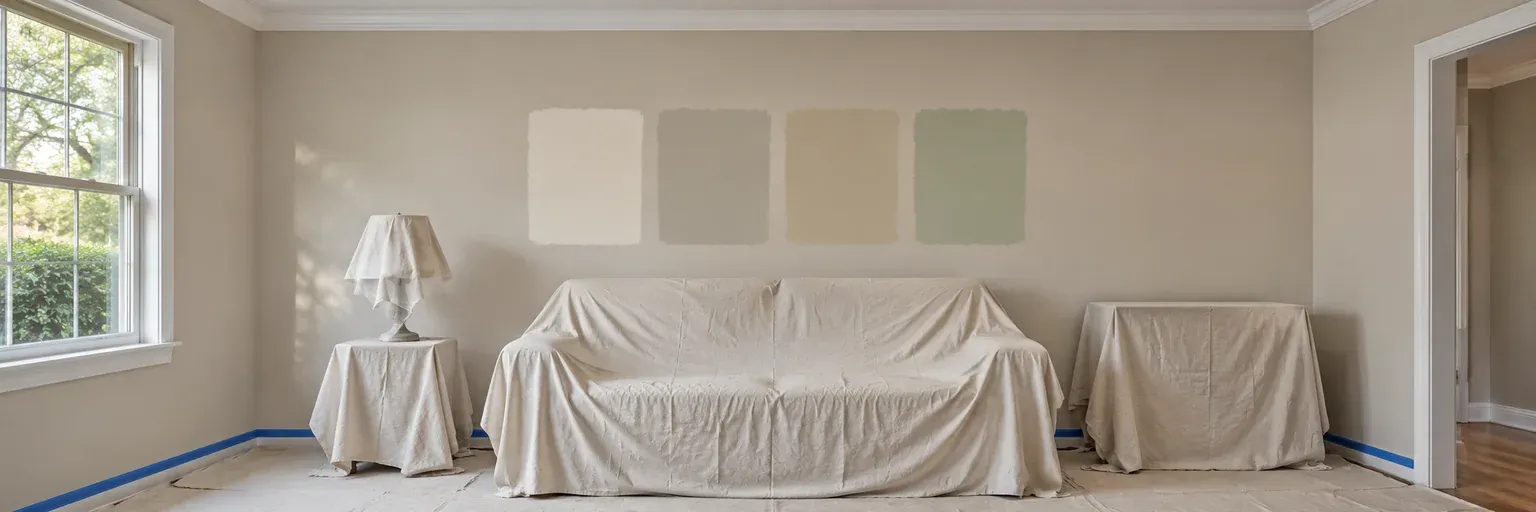
If you are budgeting for house painting, start with a written scope before comparing a total. HomeFAQ does not publish a single U.S. national price range because interior rooms, exterior siding, trim, high access, repairs, paint systems, and lead-safe preparation are not comparable projects. A planning estimate is not a quote for your home. The useful first step is to decide whether you are planning interior work, exterior work, or separate phases, then ask each painter to describe the same surfaces, preparation, products, access, and exclusions in writing.
This guide is for a homeowner deciding whether to repaint now and how to make local proposals comparable. A lower total can be reasonable for a small, accessible, sound surface with limited preparation. It is not automatically the better fit if it omits washing, repairs, primer, protection, containment, extra coats, access equipment, or cleanup. The Federal Trade Commission recommends getting written estimates and understanding the contract before hiring a contractor. 1
Start by separating interior, exterior, and mixed work
Interior and exterior painting answer different maintenance needs. Interior work may focus on rooms, ceilings, trim, stains, patching, furniture protection, color changes, and the sheen (how glossy the dried paint looks). Exterior work may involve cleaning, peeling paint, bare wood or metal, caulk, weather limits, ladders or lifts, landscaping protection, and conditions that need a separate repair trade.
If both need attention, ask for separate line items or separate proposals. That makes it easier to phase the work without losing track of what changes in the price. Do not assume an exterior proposal includes repairing rot, replacing siding, fixing a leak, or correcting a drainage problem. Likewise, do not assume an interior proposal includes drywall repair beyond minor patches, moving heavy furniture, or repairing a stain’s underlying moisture source.
Why a single national range would be misleading
Public consumer and technical sources can explain safe preparation and hiring decisions, but they do not provide a current, comparable national installed-price table for all residential painting scopes. Occupational wages and a retail paint-can price cannot safely be converted into a local project quote. They do not show the condition of the existing coating, the measured surfaces, prep time, number of coats, access, protection, travel, overhead, permits, or local labor arrangement.
Painting is especially sensitive to what is beneath the new coating. A proposal that says only “paint exterior” does not tell you whether the painter will wash the surface, remove loose material using an appropriate method, prime bare areas, seal gaps, protect windows and plants, or address a repair that must happen first. The same is true indoors: “paint two rooms” does not show whether ceilings, trim, closets, patching, furniture moving, or odor and stain treatment are included.
Avoid treating an online per-room or per-square-foot figure as a comparable quote unless it states the exact surfaces, preparation, product system, coats, access, protection, and exclusions. That figure can be a budget prompt, but it is not evidence that two contractors are offering the same work.
Build a quote-ready painting brief
Give every painter the same short written description. Include the rooms or exterior sides involved; whether walls, ceilings, trim, doors, siding, soffits, or other surfaces are included; desired colors and finish; visible peeling, cracking, staining, soft material, or moisture clues; safe ground-level photos; access constraints; occupancy needs; and the home’s approximate construction date if known.
For homes built before 1978, do not scrape, sand, or otherwise disturb old paint simply to prepare for an estimate. EPA guidance explains that renovation work can create hazardous lead dust and that paid contractors performing covered work in pre-1978 housing must follow the federal Renovation, Repair and Painting Rule. Ask how the professional will evaluate the situation and what lead-safe practices or testing are appropriate for the proposed work. 2
Use the same checklist for each proposal:
| Scope item | What to clarify before comparing totals |
|---|---|
| Surfaces and measurements | Which rooms, walls, ceilings, trim, doors, siding, or other elements are included, and what measured or assumed area supports the scope? |
| Preparation and repairs | Washing, cleaning, patching, sanding or removal method, caulk, primer, and which cracks, damaged drywall, rot, or substrate repairs are excluded or assigned to another trade. |
| Paint system | Brand or product line if selected, primer, number of coats, color changes, sheen, and who pays for a change after work begins. |
| Access and protection | Ladders, scaffolding, lifts, furniture moving, floors, landscaping, fixtures, dust control, and access limits. |
| Containment and cleanup | How the work area, debris, dust, and cleanup will be handled, including lead-safe procedures when applicable. |
| Schedule and weather | Start assumptions, drying or weather limits, occupant access, and what happens if conditions delay exterior work. |
| Exclusions and changes | Permits if applicable, hidden damage, moisture repair, electrical work, carpentry, disposal, warranty terms, and the written approval process for added work. |
Compare preparation, not just paint color
Ask each painter to explain the sequence: what they will inspect, clean, repair or refer out, protect, prime, coat, and review at handoff. Preparation is not a decorative add-on; it is the work that makes the proposed coating system fit the condition the painter observed. A painter should be able to state what they can and cannot establish without opening a wall, removing siding, or doing another trade’s work.
When a proposal identifies soft wood, a recurring stain, peeling over a large area, or an active moisture clue, ask whether painting should wait for a cause to be assessed. New paint may improve appearance, but it does not diagnose or correct water entry, structural damage, or an electrical concern. Do not ask a painter to hide a condition that needs qualified evaluation.
For exterior work, ask how the painter decides whether temperature, moisture, and weather conditions are suitable for the chosen coating. Manufacturer instructions vary by product, so the specific product label or technical data sheet should guide application limits. For interior work, ask how ventilation, odors, access, and drying time will be managed around children, pets, and daily use of the rooms.
Use a written change process
Some unknowns become visible only after reasonable preparation begins. That does not mean a contractor can add work without explanation. Ask for photos or a plain-language description of the finding, the options, the cost effect, and your written approval before additional work proceeds when practical. Keep repairs and painting distinguishable so you can see whether a change is needed to make the surface paintable or is a separate improvement.
Compare warranties carefully. A workmanship warranty and a manufacturer product warranty are different promises. Ask what condition or application issue is covered, for how long, what preparation assumptions apply, and what is excluded. Do not treat a longer warranty label as proof that every underlying surface condition is included.
Your useful next step
Use the Painting Services hub to organize your project, then request written local scopes using the same surface list and condition notes. Choose the proposal that clearly explains the needed preparation, coating system, access, protection, exclusions, and approval process—not simply the lowest starting number.
Questions to ask your painting professional
- Which exact surfaces, preparation steps, repairs, primer, coats, paint products, access equipment, protection, and cleanup are included or excluded in this total?
- What condition did you observe beneath the existing paint, and which moisture, rot, drywall, carpentry, or other issues need a separate qualified assessment before painting?
- If preparation reveals added damage or lead-safe work is needed, how will you document the finding and obtain my written approval before changing the scope or price?
Sources
Footnotes
-
Federal Trade Commission, Hiring a Contractor — written-estimate and contract guidance. ↩
-
U.S. Environmental Protection Agency, Renovation, Repair and Painting Program — lead-safe renovation requirements and homeowner context for pre-1978 housing. ↩
Be ready for the conversation
3 questions to ask your painting professional
- 1What surface condition, preparation, repair, primer, paint system, and finish level does this scope include?
- 2Which protection, access, furniture moving, cleanup, lead-safe practices, and minor repairs are included or excluded?
- 3If preparation reveals moisture, failed material, or another condition, how will you document it before changing the price or scope?
Keep planning
Related painting guides
How to compare house painting estimates
Compare house painting proposals by the surfaces, preparation, coating system, access, protection, exclusions, and written change process—not the total alone.
Painting terms homeowners should know
Understand the painting words that affect preparation, products, safety, and what a written house-painting estimate actually includes.
How to Check Exterior Paint for Failure
A ground-level exterior paint check that helps homeowners document peeling, cracking, blistering, moisture clues, and possible rot while knowing when to stop and seek qualified help.