
Homeowner guide
How much should door replacement cost?
A U.S. planning guide to comparing door-replacement scopes when a national price range cannot replace a written local quote.
Published October 3, 2026
By the HomeFAQ Editorial Team · Reviewed for accuracy.
https://homefaq.com/doors/how-much-should-door-replacement-cost/
Printing is unavailable. Use your browser’s Print command.
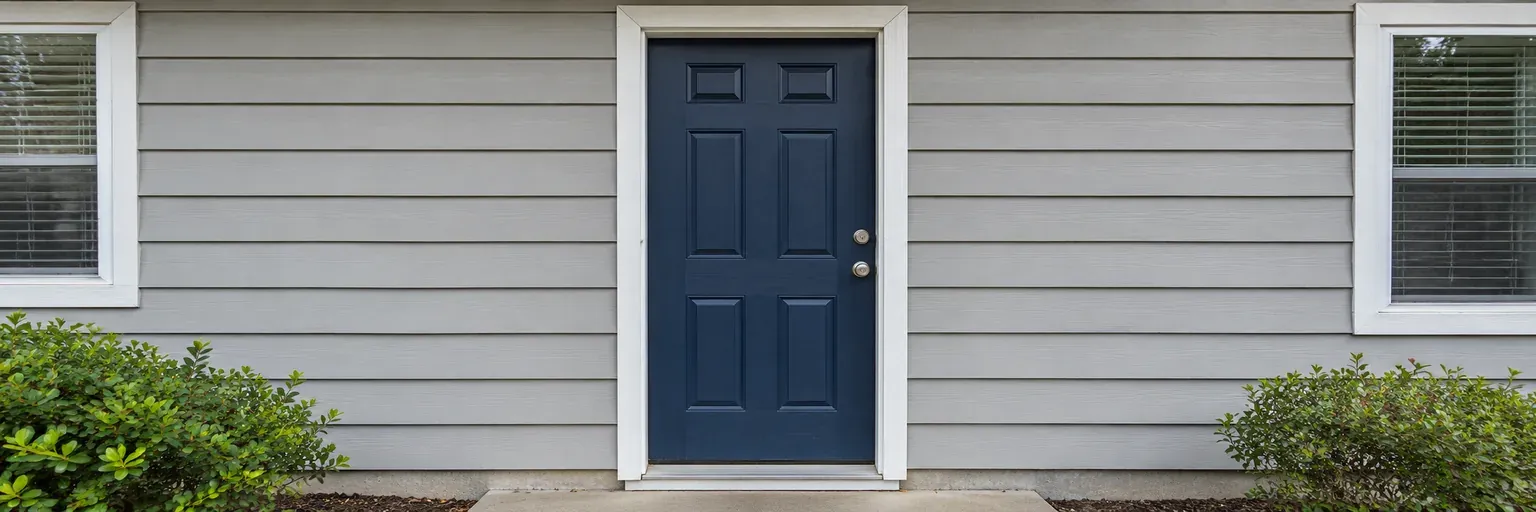
There is no single safe national price for “door replacement.” An interior slab, a prehung exterior door, and a sliding patio door can involve very different products, opening conditions, weather protection, hardware, trim, and finish work. The practical answer is to compare a written scope line by line before comparing totals. Use a planning conversation to define the door and opening you need; use a local written quote—not a generic online number—to decide what the work at your home should cost.
HomeFAQ does not publish a national door-replacement range here. Public wage data can describe occupations, but it does not identify the door type, size, material, security hardware, site access, hidden damage, local requirements, or finish work in a particular opening. Manufacturer instructions explain how a specific product should be installed, not what every installation will cost. A single broad price range would create false precision and can hide the work that actually changes a proposal.
Start by naming the project
Before requesting estimates, write down which door you mean: exterior entry, interior, storm, sliding patio, French, or another style. Note whether you are replacing the door panel only or the complete unit. A slab is the door panel without its frame; a prehung unit includes a door already hung in a frame. The distinction can change the labor, fit, and finish scope.
Record the location, the reason for the project, and what you can safely observe: sticking, drafts, visible wear, water marks, damaged trim, difficulty latching, screen or track problems, or a change in how the door closes. Do not remove trim, alter the opening, or test a suspected structural or security problem yourself. Photos from a safe standing position and simple notes give each bidder the same starting point.
What a comparable door estimate should identify
Ask every bidder to mark the following as included, excluded, or unknown. The goal is not to force identical methods; it is to make meaningful differences visible before you choose.
| Scope item | What to compare |
|---|---|
| Door product | Brand or product line, type, material, size, handing, glass or panel configuration, and hardware allowance. |
| Existing unit | Whether removal, disposal, haul-away, and protection of nearby flooring or finishes are included. |
| Opening condition | Whether the proposal assumes the frame and surrounding materials are sound, and how concealed damage will be documented. |
| Installation | Frame work, shimming, fastening, alignment, threshold or sill work, and operation testing. |
| Weather protection | For exterior or patio doors, identify flashing, air sealing, weatherstripping, and any water-management work rather than assuming it is included. |
| Finish work | Interior and exterior trim, casing, caulk, paint or stain touch-up, drywall, siding, and flooring repair. |
| Administration | Measurements, permits or local checks where applicable, scheduling, cleanup, warranty responsibility, and change-order approval. |
A lower total may be reasonable if it covers a smaller scope. It is not comparable to a proposal that includes product upgrades, opening repair, weather protection, trim restoration, or finish work. Do not assume a “standard installation” phrase answers those questions.
Separate known work from unknown conditions
Door replacement can reveal conditions that were not visible while the old unit was in place. For an exterior or patio opening, water marks, deteriorated materials, or an out-of-square opening can require assessment before a final repair scope is known. Ask each contractor to state what they observed, what the base price assumes, and what will happen if removal reveals a different condition.
Use a written change process. It should require photos or an explanation of the newly found condition, a clear description of the added work, the added price or pricing method, and your approval before work proceeds when practical. This protects both the homeowner and the installer from treating an allowance or verbal discussion as a finished agreement.
Match the scope to the door’s job
For an interior door, the important scope may be privacy, swing direction, clearance, latch operation, casing, and paint. For an exterior entry door, security, weather exposure, threshold condition, locks, and finish protection matter in addition to appearance. Patio doors can add tracks, screens, glass, drainage paths, and larger or heavier panels. Ask the professional to explain why the proposed unit and installation approach fit the opening instead of choosing only by style or a starting price.
If a door will be used as part of an accessible route, brings persistent water inside, will not latch securely, has broken glass, or is connected to a damaged opening, pause price-shopping and ask for a qualified assessment. Do not force, brace, or dismantle a door that may affect security, weather protection, or safe egress.
Build a quote-ready packet
Give every bidder the same packet: door location and type, safe photos, visible measurements only if you are confident taking them without disassembly, symptom notes, desired features, finish preferences, access constraints, and any prior repair records. Then ask for a written scope that separates product, installation, opening repair, weather protection, hardware, finishes, cleanup, and exclusions.
Keep a simple comparison sheet. If one proposal omits an item, ask whether it is unnecessary, excluded, or an allowance. You can then decide whether to request a revised scope, obtain another assessment, or choose the proposal whose responsibilities are clearest—not merely the one with the lowest number.
For a seasonal, safe first check before arranging estimates, read How to check your door weatherstripping.
Questions to ask your door professional
- Is this proposal for a slab, a prehung unit, or a full opening repair, and what did you observe that supports that scope?
- Which removal, alignment, threshold or sill, flashing, air-sealing, weatherstripping, trim, finish, and cleanup tasks are included or excluded?
- If you find damaged framing, water-related deterioration, or an opening that needs correction, how will you document the condition and obtain written approval before changing the price?
Sources
- U.S. Bureau of Labor Statistics, Occupational Employment and Wage Statistics — occupational wage data, which does not provide a door-specific installed quote.
- ENERGY STAR, Windows, Doors & Skylights — homeowner context on exterior doors and energy performance; product suitability and local installation details vary.
- FEMA, Coastal Construction Manual, Volume II — water-management context for exterior openings; this is not a substitute for local design or installation requirements.
Be ready for the conversation
3 questions to ask your door professional
- 1What did you observe about the door, frame, threshold, hardware, or surrounding opening?
- 2Which product, installation, flashing, trim, hardware, finish, and cleanup work are included or excluded?
- 3If removal reveals moisture, framing damage, or another concealed condition, how will you document it before changing the scope?
Keep planning
Related doors guides
Door terms homeowners should know
Decode common door-estimate and installation terms so you can compare the door unit, opening work, weather protection, and finishes.
How to compare door replacement estimates
Normalize the door unit, opening work, weather protection, finishes, and change-order process before comparing proposal totals.
Door maintenance checklist for homeowners
Use a safe seasonal door check to spot wear, water entry, and security problems before they become a larger repair.